
“I don’t care if you live or die. I never want to speak to you again.”
Those words hit me like a physical blow, even though I knew I deserved them. I was sitting across from him in his office, across from the man who had welcomed me into his family twelve years earlier, who had walked his daughter down the aisle to marry me. Now he could barely look at me.
I had come to make amends—part of my recovery process after losing everything to alcohol and the monster it had turned me into. The marriage was over. I had become abusive, something I never thought I was capable of. The woman I had promised to love and protect had to protect herself and our children from me instead.
“I understand,” I managed to say, my voice barely above a whisper. “What can I do to make it better?”
“Nothing.”
I walked out of his office, knowing we would probably never speak again.
Recovery taught me that making amends doesn’t guarantee forgiveness. It doesn’t mean people have to welcome you back or give you another chance. Sometimes the most loving thing someone can do is protect themselves by keeping you out of their life. I had to learn to live with that reality.
I threw myself into being the best father I could be during my time with my nine-year-old son and eleven-year-old daughter. Soccer became part of our routine. Every Saturday morning, I’d sit in my folding camp chair, watching him warm up with his team, taking that time of quiet to reflect on the past week.
This particular Saturday started like any other. I was early, as always, setting up my camp chair and watching the kids stretch and run drills. The familiar sounds of a soccer field filled the air—cleats on grass, coaches calling out instructions, parents chatting about weekend plans.
Then I heard it.
“Whatcha say there, Jeremy?”
Just like that. Like we’d talked yesterday. Like the last two years hadn’t happened. His normal greeting to everyone, the same words he’d said to me a thousand times before everything fell apart.
He didn’t come over. We didn’t talk.
But something had shifted. The wall of rage and hurt that had stood between us for two years had developed the smallest crack. Not forgiveness—not yet. But maybe, just maybe, the beginning of it.
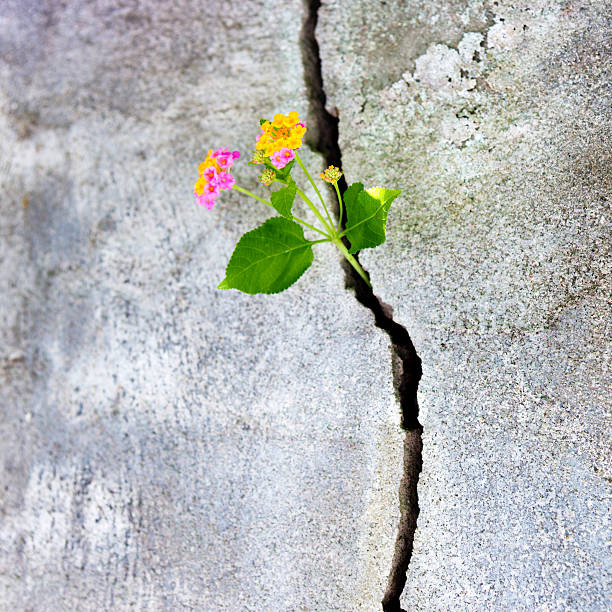
That’s the miracle of forgiveness in recovery—it doesn’t always look like tearful reconciliation or dramatic forgiveness speeches. Sometimes it looks like a simple greeting between two broken people who are both trying to figure out how to move forward.
Time doesn’t heal all wounds by itself. But time combined with consistent change, with showing up differently day after day, with proving through actions that you’re not the same person who caused the pain—that creates space for miracles to happen.
I didn’t know if my former father-in-law and I would ever have a relationship again. I didn’t know if he would ever trust me again. But I know that greeting meant something. It meant he saw me—not the monster I had become, but the man I was trying to be.
And sometimes, that’s how forgiveness begins. Not with words, but with the simple recognition that people can change. That time, combined with genuine transformation, can soften even the hardest hearts.
The miracle isn’t that he forgave me in that moment. The miracle is that after two years of thinking I was dead to him, he spoke to me like a human being. And for someone in recovery, for someone who had given up hope of ever being seen as anything other than the worst version of themselves, hearing those familiar words was everything.
Recovery has taught me that miracles don’t always look like Hollywood endings. Sometimes they look like a casual greeting across a soccer field, a crack in the wall, the first sign that time really can heal what seemed impossibly broken.
And sometimes, that’s more than enough.





 Finding the Way